Latest Update Of Petrol Price in Pakistan Today
The latest update on petrol price in Pakistan today increase and shows that rates have surged significantly in March 2026, with petrol reaching around Rs 321.17 per litre after a sharp increase of Rs 55, making it one of the highest prices in the country’s history; this sudden rise is mainly driven by increasing global oil prices, especially due to tensions in the Middle East, along with the weakening Pakistani rupee against the US dollar and higher government taxes and levies, all of which have made fuel imports more expensive, and as a result, the impact is being felt across transportation, food prices, and daily household expenses, while experts suggest that prices may continue to fluctuate depending on international market trends, exchange rate stability, and government policy decisions in the coming weeks.
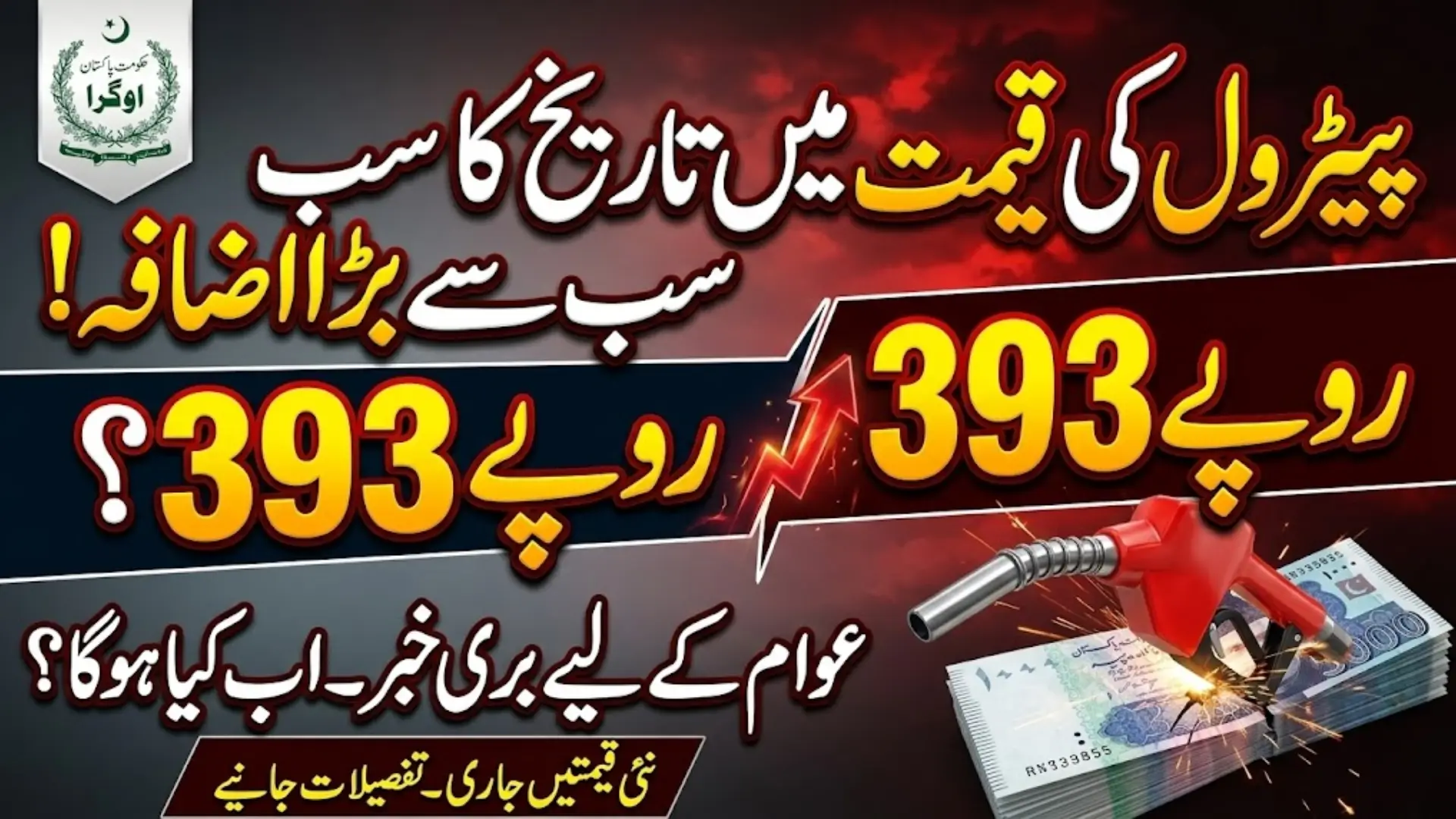
Petrol price in Pakistan today increase has become one of the most discussed economic developments in March 2026. The government recently announced another major adjustment in petroleum prices, pushing the petrol rate to around Rs 393 per litre. Earlier, petrol prices had already increased to Rs 321.17 per litre after a historic Rs 55 per litre hike. The latest increase of approximately Rs 72 per litre has now taken petrol prices to the highest level in the country’s recent history.
For More Information: Punjab Laptop Scheme Phase 2 Deadline Extended
Latest Fuel Prices After Petrol Price in Pakistan Today Increase
The latest fuel prices show that petrol and diesel costs have increased significantly across the country. Petrol remains the most widely used fuel for cars and motorcycles, while high speed diesel powers heavy vehicles such as trucks, buses, and agricultural machinery. After the recent revisions, petrol prices have crossed the Rs 390 mark while diesel prices are also above Rs 335 per litre.
Pakistan میں آج پیٹرول کی قیمت کے حوالے سے نئی اپڈیٹ کے مطابق مارچ 2026 میں قیمتوں میں غیر معمولی اضافہ دیکھنے میں آیا ہے، جہاں پیٹرول کی قیمت تقریباً 393 روپے فی لیٹر تک پہنچ گئی ہے جو کہ ملکی تاریخ کی بلند ترین سطحوں میں شمار ہوتی ہے، اس سے قبل قیمت 321.17 روپے تھی جس میں ایک ہفتے کے اندر مزید تقریباً 72 روپے کا بڑا اضافہ کیا گیا؛ اس اضافے کی بنیادی وجوہات میں عالمی منڈی میں تیل کی بڑھتی ہوئی قیمتیں، مشرق وسطیٰ میں کشیدگی، پاکستانی روپے کی قدر میں کمی اور حکومتی ٹیکسز شامل ہیں، جس کے باعث نہ صرف ٹرانسپورٹ کے اخراجات میں اضافہ ہوا ہے بلکہ مہنگائی، اشیائے خورونوش کی قیمتوں اور روزمرہ زندگی کے اخراجات پر بھی گہرا اثر پڑ رہا ہے، جبکہ ماہرین کے مطابق آنے والے دنوں میں قیمتیں عالمی حالات، ایکسچینج ریٹ اور حکومتی پالیسیوں کے مطابق مزید تبدیل ہو سکتی ہیں
Petrol price in Pakistan today increase has raised concerns about inflation and rising transportation costs. Fuel prices in Pakistan are determined by global oil rates, exchange rate fluctuations, and government taxes or levies. The Oil and Gas Regulatory Authority reviews international market conditions before new prices are implemented nationwide.
- Petrol price now around Rs 393 per litre
- High speed diesel price about Rs 335.86 per litre
- Fuel prices usually revised twice every month
- Prices influenced by global oil market trends
For More Information: ViewSonic VA27G11-2 Gaming Monitor Launched with 175Hz Refresh Rate and $84 Price Tag
Table: Updated Fuel Prices in Pakistan 2026
| Fuel Type | Previous Price (Rs) | Increase (Rs) | New Price (Rs) |
|---|---|---|---|
| Petrol (Super) | 321.17 | 72 | 393 |
| High Speed Diesel | 280.86 | 55 | 335.86 |
| Light Speed Diesel | 159.76 | No Change | 159.76 |
| Kerosene Oil | 176.81 | No Change | 176.81 |
Types of Petroleum Products Used in Pakistan
Petroleum products are essential for Pakistan’s transportation system, industries, and household energy needs. Crude oil is refined into different fuels, each serving a specific purpose. Petrol is mainly used in personal vehicles such as cars and motorcycles, while diesel powers heavy transport and agricultural equipment.
Apart from petrol and diesel, other petroleum products are also widely used across the country. These fuels support domestic energy needs, commercial operations, and industrial activities, making them an important part of the national economy.
- Petrol (Super) used in motorcycles and cars
- High speed diesel used in trucks, buses, and heavy vehicles
- Light speed diesel used in medium-sized engines
- Kerosene used for heaters and small machinery
- LPG used for household cooking and heating
For More Information: IMF Rupee Devaluation Pakistan: Currency May Adjust to Rs. 290–300 per Dollar
Reasons Behind Petrol Price in Pakistan Today Increase
Several factors are responsible for the petrol price in Pakistan today increase. One of the main reasons is the rise in global crude oil prices due to geopolitical tensions in the Middle East. When oil-producing regions experience conflict or supply disruptions, international oil prices increase, which directly impacts importing countries like Pakistan.

Another important factor is the depreciation of the Pakistani Rupee against the US dollar. Since Pakistan imports most of its petroleum products in dollars, any weakening of the local currency makes fuel more expensive in the domestic market. Government taxes and international financial agreements also influence pricing decisions.
- Increase in global crude oil prices
- Geopolitical tensions affecting oil supply
- Weak Pakistani Rupee against the US dollar
- Government petroleum levies and taxes
- IMF-related economic policy adjustments
Impact of Petrol Price in Pakistan Today Increase on Inflation
Petrol price in Pakistan today increase is expected to have a strong effect on inflation across the country. Fuel prices influence transportation costs, which in turn affect the prices of goods and services. When transportation becomes more expensive, businesses often increase product prices to recover higher operating costs.
The rise in petrol prices also affects household budgets because many daily necessities depend on transportation for distribution. As a result, consumers may experience higher expenses for food, utilities, and other essential items.
- Higher transportation costs nationwide
- Increase in food and commodity prices
- Higher logistics and delivery expenses
- Reduced purchasing power of households
For More Information: Rs. 10,000 Ramadan Relief Program for Punjab Families
Transport Sector Impact of Petrol Price in Pakistan Today Increase
The transport and logistics sector is one of the industries most affected by petrol price increases. Diesel-powered vehicles play a major role in Pakistan’s supply chain, and higher fuel prices can raise the cost of moving goods across the country.
Transport companies and bus operators often adjust fares to cope with rising fuel expenses. This can result in higher travel costs for passengers and increased freight charges for businesses that rely on transportation services.
- Public transport fares may increase
- Freight charges for goods delivery rise
- Higher operating costs for transport companies
- Increased expenses for agriculture and construction sectors
Government Taxes and Levies on Fuel Prices
Fuel prices in Pakistan include several government taxes and levies that contribute to the final pump price. Petroleum levies are an important source of revenue for the government and are often used to fund infrastructure projects and public services.
However, economists frequently debate whether these levies should be reduced during periods of rising fuel prices. Lower taxes could help reduce the financial burden on consumers, but they would also decrease government revenue.
- Petroleum levy added to fuel prices
- Taxes used for government development spending
- Levies increase final pump prices
- Debate on reducing taxes during price hikes
For More Information: Nighaban Card Distribution Launch: Rs. 10,000 Ramadan Relief Program
Table: Historical Petrol Price Trend in Pakistan
| Date | Petrol Price (PKR per litre) |
|---|---|
| January 2026 | Rs 253.17 |
| February 2026 | Rs 258.17 |
| March 7, 2026 | Rs 321.17 |
| March 20, 2026 | Rs 393 |
Role of OGRA in Fuel Price Regulation
The Oil and Gas Regulatory Authority plays a central role in reviewing fuel prices in Pakistan. OGRA analyzes global oil prices, exchange rate movements, and domestic economic conditions before making recommendations for fuel price adjustments.
Fuel prices are generally revised twice every month. After reviewing OGRA’s recommendations, the federal government announces the final prices that are implemented at petrol pumps across the country.
- OGRA reviews international oil price trends
- Fuel prices usually revised twice each month
- Exchange rates influence price calculations
- Government announces final retail fuel prices
For More Information: Nigehban Card Check Online by CNIC Pakistan Complete Guide
FAQs
Why did petrol price in Pakistan today increase?
Petrol prices increased mainly due to rising global crude oil prices and the weakening Pakistani Rupee against the US dollar.
What is the current petrol price in Pakistan today?
The latest petrol price in Pakistan has reached around Rs 393 per litre after the most recent increase.
How often are petrol prices updated in Pakistan?
Fuel prices are usually revised twice a month based on international oil prices and economic conditions.
How does petrol price increase affect the economy?
Higher fuel prices increase transportation costs and inflation, which raises the prices of goods and services.
For More Information: Ramzan Nigehban Card Status & Activation 2026