IMF Pakistan Economic Forecast Revised as Growth Outlook Weakens for FY27
IMF Pakistan Economic Forecast Revised
The International Monetary Fund revised Pakistan’s economic outlook after approving the third review of the ongoing IMF program. The updated projections showed slower economic growth, higher inflation expectations, and increased pressure on Pakistan’s external sector during fiscal year 2026-27.
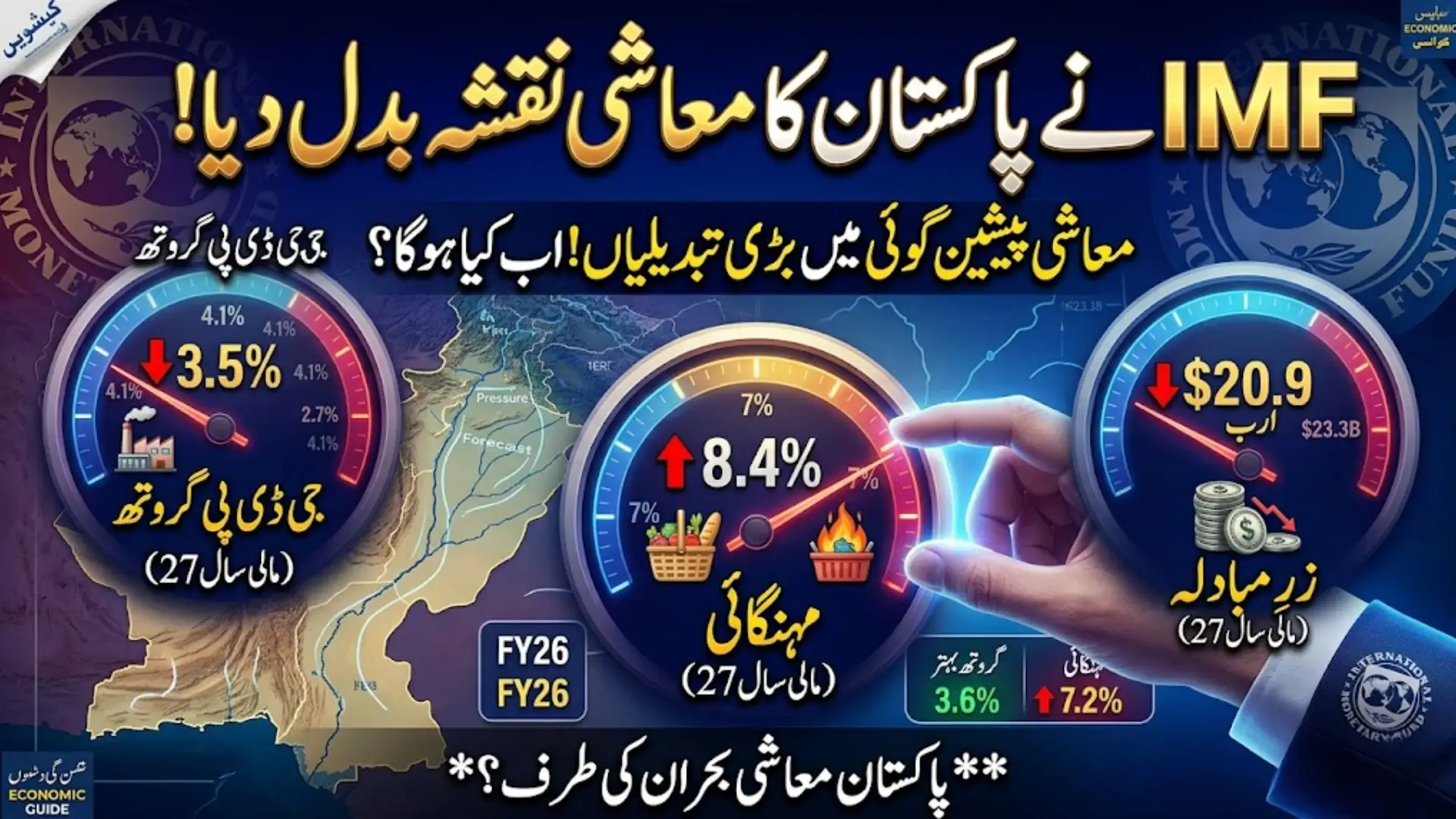
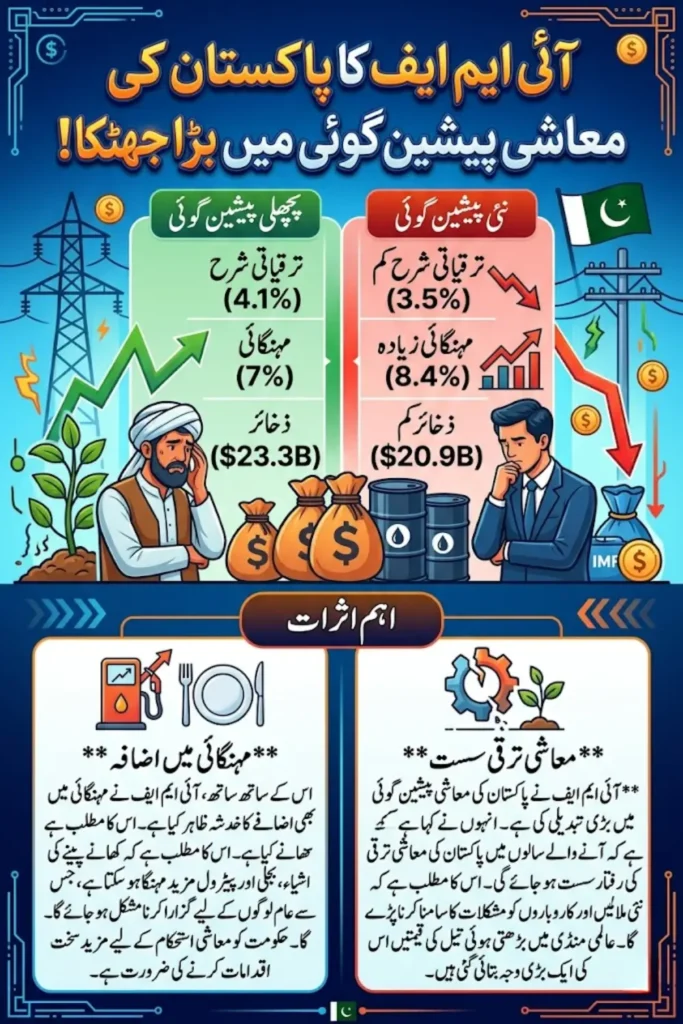
According to the revised IMF Pakistan economic forecast, the country’s GDP growth estimate for FY27 was reduced from 4.1 percent to 3.5 percent. Inflation projections were also increased, while expectations for foreign exchange reserves and the current account balance were revised downward.
- IMF revised Pakistan economic projections
- GDP growth forecast reduced for FY27
- Inflation expectations increased
- External sector outlook weakened
| Economic Indicator | Previous Forecast | Revised Forecast |
|---|---|---|
| FY27 GDP Growth | 4.1% | 3.5% |
| FY27 Inflation | 7% | 8.4% |
| FY27 Current Account Deficit | 0.4% of GDP | 0.9% of GDP |
| FY27 Forex Reserves | $23.3 Billion | $20.9 Billion |
You Can Also Read: Punjab Bewa Sahara Card 2026 Rs. 10,000 Monthly Stipend Online Apply Process and Last Date
IMF Cuts Pakistan GDP Growth Forecast for FY27
The IMF lowered Pakistan’s GDP growth projection for fiscal year 2026-27 from 4.1 percent to 3.5 percent. The revision reflects concerns over global economic uncertainty, rising oil prices, and pressure on Pakistan’s external financing requirements.
The lower growth outlook also suggests that Pakistan’s economic recovery may remain slower than expected. Higher import costs and tighter fiscal policies are expected to reduce economic activity in several sectors, including manufacturing and consumer spending.
- FY27 growth forecast reduced to 3.5%
- Global oil prices affecting recovery
- Economic activity expected to slow
- Fiscal tightening impacting markets
The revised forecast indicates that Pakistan may continue facing challenges in maintaining stable growth while controlling inflation and managing external debt obligations.
IMF Raises Inflation Expectations for Pakistan
The IMF also increased Pakistan’s inflation forecast for FY27 from 7 percent to 8.4 percent. Rising fuel prices, energy costs, and imported inflation were among the major reasons behind the upward revision.
Higher inflation could increase pressure on households already dealing with expensive electricity, fuel, and food prices. Businesses may also face higher operational costs as transportation and production expenses continue to rise.
- FY27 inflation revised to 8.4%
- Energy prices contributing to inflation
- Food and transport costs expected to rise
- Consumers may face higher living expenses
The IMF also revised inflation expectations for FY26 upward from 6.3 percent to 7.2 percent. This shows inflationary pressure may continue over the next two fiscal years.
| Fiscal Year | Previous Inflation Forecast | Revised Forecast |
|---|---|---|
| FY26 | 6.3% | 7.2% |
| FY27 | 7% | 8.4% |
You Can Also Read: Punjab Bewa Sahara Card 2026 Rs. 10,000 Monthly Stipend Online Apply Process and Last Date
Current Account Deficit Outlook Revised Upward
Pakistan’s current account deficit projection for FY27 was also revised by the IMF. The fund now expects the deficit to reach 0.9 percent of GDP instead of the earlier estimate of 0.4 percent.
The higher deficit forecast reflects pressure from increasing import payments, especially due to expensive global oil prices. Rising import costs can place additional strain on Pakistan’s foreign exchange position and overall economic stability.
- Current account deficit raised to 0.9%
- Oil imports increasing external pressure
- Foreign payment obligations rising
- External account risks remain high
Pakistan’s current account balance remains an important indicator because it directly affects foreign reserves, currency stability, and investor confidence.
IMF Lowers Pakistan Forex Reserve Expectations
The IMF revised Pakistan’s foreign exchange reserve projections downward for FY27. According to the updated outlook, reserves are now expected to reach $20.9 billion by the end of FY27 compared to the earlier estimate of $23.3 billion.
Lower reserve accumulation may increase pressure on Pakistan’s exchange rate and financing needs. Strong reserve levels are necessary for maintaining import payments, debt servicing, and currency market stability.
- Forex reserve forecast reduced
- FY27 reserves expected at $20.9 billion
- External financing pressure increasing
- Currency stability concerns remain
The lower reserve estimate also reflects concerns about slower export growth and higher import-related payments in the coming fiscal years.
You Can Also Read: Khyber Pakhtunkhwa Health Department Announces 830 Vaccinator Jobs Across KP
IMF Upgrades Pakistan GDP Growth Estimate for FY26
Despite lowering the FY27 forecast, the IMF slightly improved Pakistan’s GDP growth estimate for the current fiscal year. The fund revised FY26 growth upward from 3.2 percent to 3.6 percent.
The upward revision suggests moderate improvement in economic activity during the ongoing fiscal year. Better agricultural performance, stable remittance inflows, and improved business confidence may have supported this adjustment.
- FY26 growth revised to 3.6%
- Moderate recovery signs visible
- Remittances supporting the economy
- Business activity showing improvement
However, the IMF still warned that external risks and oil price shocks could slow future progress if global economic conditions worsen further.
Government Maintains Fiscal Discipline Targets
The revised IMF Pakistan economic forecast showed that the government’s fiscal discipline targets remain unchanged. Pakistan maintained its primary surplus target at 2 percent of GDP for FY27 and 1.6 percent for FY26.
The government’s commitment to tight fiscal management remains important for continuing the IMF program successfully. Fiscal discipline is also necessary to control public debt and maintain investor confidence in the economy.
- FY27 primary surplus target remains 2%
- FY26 target unchanged at 1.6%
- Fiscal discipline remains a priority
- IMF program conditions continue
Pakistan may continue implementing revenue collection and expenditure control measures to meet these financial targets.
You Can Also Read: Punjab School Summer Vacations 2026 Announced guide for parents and students
Rising Oil Prices Increase Economic Pressure
The IMF highlighted rising global oil prices as one of the biggest risks for Pakistan’s economy. Since Pakistan imports a large portion of its energy requirements, higher oil prices directly increase import bills and inflation.
Expensive oil also affects transport, electricity generation, and industrial production costs. This can slow economic growth while putting additional pressure on consumers and businesses.
- Oil prices increasing import costs
- Higher fuel expenses affecting inflation
- Energy sector facing additional burden
- Businesses may face rising production costs
The IMF believes continued pressure from global energy markets may limit Pakistan’s ability to strengthen reserves and reduce external vulnerabilities.
Impact of IMF Revised Forecast on Pakistani Consumers
The revised economic outlook may directly affect ordinary citizens across Pakistan. Higher inflation expectations could increase prices of daily essentials, electricity bills, and transportation costs during the coming years.
Businesses may also face slower growth due to expensive financing and weaker consumer demand. Investors and industries will likely monitor inflation and reserve trends closely before making major financial decisions.
- Consumers may face higher living costs
- Businesses expected to remain cautious
- Inflation pressure likely to continue
- Economic uncertainty affecting investment
The revised projections indicate that Pakistan’s economic recovery may remain gradual rather than rapid over the next fiscal cycle.
You Can Also Read: Electricity Bill Taxes in Pakistan Reach Rs. 700 Billion in FY 2024-25
FAQs
What is the new IMF Pakistan economic forecast for FY27?
The IMF revised Pakistan’s FY27 GDP growth forecast down to 3.5 percent from the earlier estimate of 4.1 percent.
Why did the IMF increase Pakistan’s inflation forecast?
The IMF increased inflation expectations because of rising oil prices, energy costs, and external economic pressures.
What is Pakistan’s revised current account deficit forecast?
The IMF now projects Pakistan’s current account deficit at 0.9 percent of GDP for FY27.
How much foreign exchange reserves does IMF expect Pakistan to hold?
The IMF expects Pakistan’s reserves to reach around $20.9 billion by the end of FY27.
Did the IMF improve Pakistan’s FY26 growth estimate?
Yes, the IMF revised Pakistan’s FY26 GDP growth estimate upward from 3.2 percent to 3.6 percent.
Final Thoughts
The revised IMF Pakistan economic forecast shows that the country may continue facing inflationary pressure and external financing challenges over the next two fiscal years. Rising oil prices and weaker reserve accumulation remain key concerns for economic stability.
At the same time, moderate improvements in FY26 growth projections indicate that Pakistan’s economy is still moving forward, although at a slower pace than earlier expectations.
You Can Also Read: Car E Smart Card Online Registration Guide and Digital Vehicle Verification Benefits