Introduction to Pakistan SOE Appointment Proposal
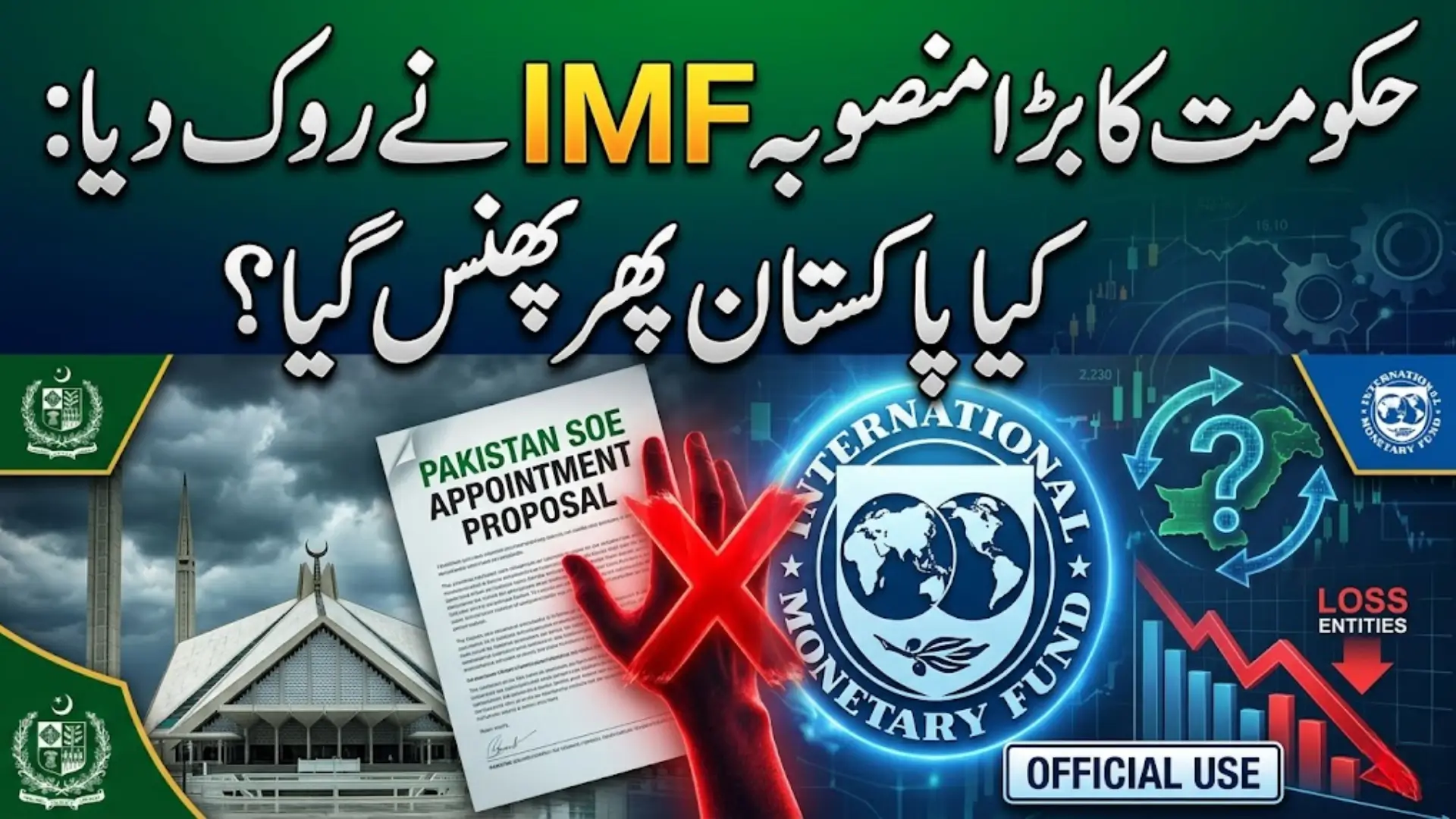
Pakistan recently faced a major setback as its Pakistan SOE Appointment Proposal was rejected during discussions with the International Monetary Fund. The proposal was part of ongoing negotiations linked to a $1 billion tranche under the Extended Fund Facility, making it a crucial issue for economic planning.
The decision has complicated the government’s efforts to increase control over state-owned enterprises. These entities play a key role in the economy, and changes in their governance structure can significantly impact financial stability and reform progress.
- Linked to IMF loan negotiations
- Focus on governance reforms
- Impacts public sector companies
You Can Also Read: New Zealand Student Work Visa Changes 2026 – New 6-Month Visa and Expanded PSWV Eligibility Explained
Pakistan SOE Appointment Proposal Rejected by IMF
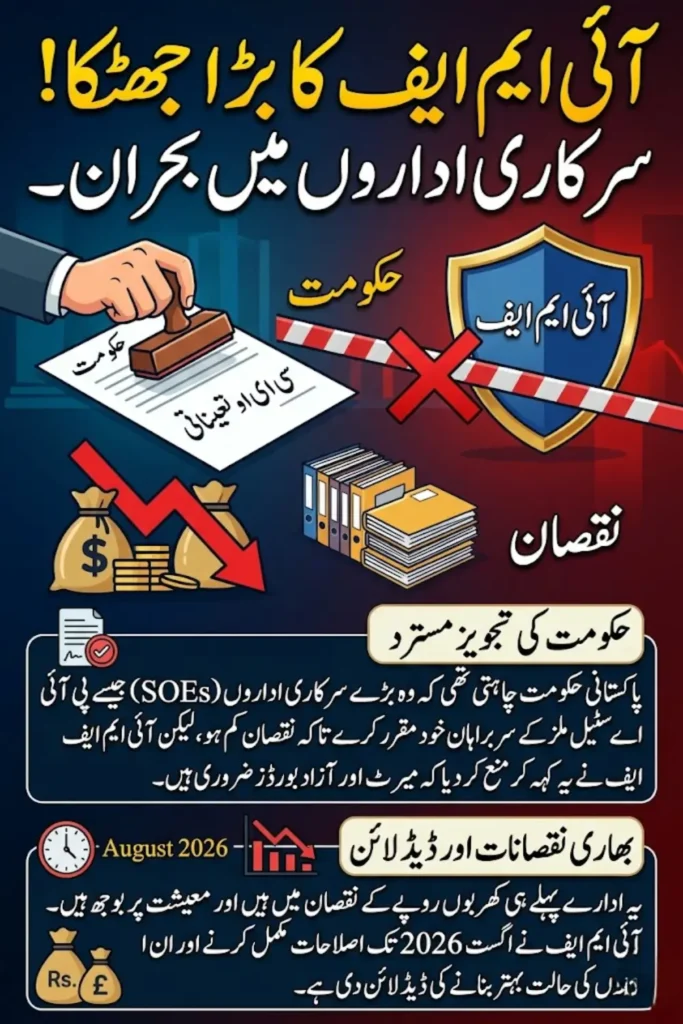
The Pakistan SOE Appointment Proposal aimed to amend Section 18 of the State-Owned Enterprises Act. This change would have allowed the federal government to directly appoint chief executive officers instead of leaving the authority to company boards.
However, the IMF rejected this proposal during review talks. The decision reflects concerns about maintaining independent governance structures and avoiding excessive central control in public sector organizations.
- Proposal to amend SOE Act
- Shift CEO appointment authority
- IMF rejected during review talks
Government’s Plan Behind Pakistan SOE Appointment Proposal
The government introduced the Pakistan SOE Appointment Proposal to strengthen oversight of loss-making enterprises. Officials believed that direct involvement would help improve performance and reduce inefficiencies.
Another reason behind the proposal was resistance from some boards that declined to approve preferred candidates. By changing the law, the government aimed to overcome these obstacles and ensure smoother appointments.
- Increase executive control
- Address board resistance
- Improve SOE performance
You Can Also Read: UK Visa Fee Increase 2026 – New ETA, Student, Work, and Settlement Charges Explained
IMF Concerns Over Pakistan SOE Appointment Proposal
The IMF emphasized the importance of independent boards in managing state-owned enterprises. According to current practices, boards are responsible for hiring CEOs based on merit and performance benchmarks.
Allowing direct government control could weaken transparency and accountability. The IMF’s rejection indicates its preference for governance systems that limit political influence in corporate decisions.
- Support for independent boards
- Focus on merit-based hiring
- Avoid political interference
Second Attempt to Expand Bureaucratic Control
This was not the first attempt to expand bureaucratic control over public institutions. Earlier, a proposal related to the Export-Import Bank of Pakistan also faced opposition.
Lawmakers blocked the move, citing concerns about excessive administrative authority. These repeated rejections show resistance to centralizing decision-making power in public sector institutions.
- Previous Exim Bank proposal failed
- Opposition from lawmakers
- Concerns about over-control
You Can Also Read: Fully Funded Scholarships in USA for Pakistani Students 2026 Complete Guide to Eligibility, Benefits, and Application Process
Current SOE Governance Structure in Pakistan
Under existing laws, boards of state-owned enterprises are responsible for appointing chief executives. These appointments are made through performance-based contracts to ensure accountability.
This system is designed to maintain professional management standards. It also allows boards to set clear targets and evaluate leadership based on results.
- Boards appoint CEOs
- Performance-based contracts
- Accountability benchmarks
IMF-Mandated Reforms for SOEs
The IMF has required Pakistan to implement reforms across several state-owned enterprises. These reforms aim to align governance practices with the SOE Act and improve efficiency.
The deadline for these changes has been extended to August 2026. This gives the government more time to complete legal and structural adjustments in consultation with the IMF.
- Reforms required for 10 SOEs
- Alignment with SOE Act
- Deadline extended to August 2026
You Can Also Read: Samsung Galaxy S26 Quick Share With Apple Devices Feature Rollout, Supported Models, and How It Works
Governance Challenges in State-Owned Enterprises
A recent finance ministry report highlighted serious governance issues across state-owned enterprises. Many organizations rely on interim leadership instead of permanent appointments.
This situation creates uncertainty and weakens long-term planning. Delays in leadership decisions also affect operational efficiency and overall performance.
- Reliance on interim CEOs
- Delays in appointments
- Weak governance systems
Examples of Leadership Issues in SOEs
Several major entities are facing leadership challenges. For example, Sui Southern Gas Company and power generation firms have experienced delays in appointing permanent chief executives.
In some organizations, overlapping roles exist where chairpersons also act as CEOs. This practice reduces checks and balances and limits effective governance.
- Delays in major companies
- Overlapping leadership roles
- Lack of private-sector involvement
You Can Also Read: Minority Card Payment Check 2026 – Complete Guide to Online Status, Eligibility, and Payment Verification in Punjab
Financial Performance of SOEs in Pakistan
| Indicator | Details |
|---|---|
| Net Losses | Increased by 300% |
| Fiscal Support | Rs. 2.1 trillion |
| Subsidies | Slight decline |
The financial performance of state-owned enterprises has worsened significantly. Net losses have increased sharply, placing a heavy burden on the national economy.
High fiscal support, including equity injections, has been required to stabilize these entities. Despite some reduction in subsidies, overall financial pressure remains high.
- Rising losses in SOEs
- Increased government support
- Ongoing financial challenges
Impact of Governance Weaknesses
Governance issues have led to operational instability in key sectors such as energy, transport, and infrastructure. Poor leadership structures slow down decision-making and reform implementation.
Long-term reliance on temporary arrangements has reduced efficiency. Without strong governance, achieving sustainable improvements becomes difficult.
- Operational instability
- Slow reform progress
- Reduced efficiency
You Can Also Read: SadaPay App Outage Due to AWS Disruption – Services Affected Across Gulf Region
Role of Finance Ministry and Cabinet Committee
The finance ministry plays a central role in overseeing SOE reforms. Boards are vetted by the Cabinet Committee on SOEs, which is chaired by Finance Minister Muhammad Aurangzeb.
Despite this oversight, challenges remain in ensuring independence and expertise within boards. Strengthening governance requires both effective supervision and professional management.
- Oversight by finance ministry
- Board vetting process
- Need for improved governance
Why Pakistan SOE Appointment Proposal Matters?
The Pakistan SOE Appointment Proposal is important because it directly affects governance and economic reforms. Its rejection may influence ongoing negotiations with the IMF.
The outcome also highlights the balance between government control and institutional independence. This balance is critical for improving performance in public sector enterprises.
- Impacts IMF negotiations
- Affects governance reforms
- Influences economic stability
Conclusion
The rejection of the Pakistan SOE Appointment Proposal by the IMF marks a significant development in the country’s reform efforts. While the government aims to strengthen control over state-owned enterprises, the IMF continues to emphasize independent governance structures.
Moving forward, Pakistan will need to focus on improving board effectiveness and ensuring transparency. Achieving these goals is essential for reducing losses and strengthening the public sector.
You Can Also Read: New Zealand Student Work Visa Changes 2026 – New 6-Month Visa
FAQs
What is the Pakistan SOE Appointment Proposal?
It is a plan to allow the government to appoint CEOs of state-owned enterprises instead of boards. The IMF rejected this proposal.
Why did the IMF reject the proposal?
The IMF supports independent boards and merit-based hiring. It aims to prevent political interference in governance.
How are CEOs currently appointed in SOEs?
Boards appoint CEOs based on performance contracts. They also set accountability benchmarks.
What are the main issues in SOEs?
Key issues include delays in appointments, weak governance, and rising financial losses.
What is the deadline for SOE reforms?
Pakistan must implement reforms by August 2026. This includes aligning laws with the SOE Act.
You Can Also Read: UK Visa Fee Increase 2026 – New ETA, Student, Work, and Settlement Charges Explained