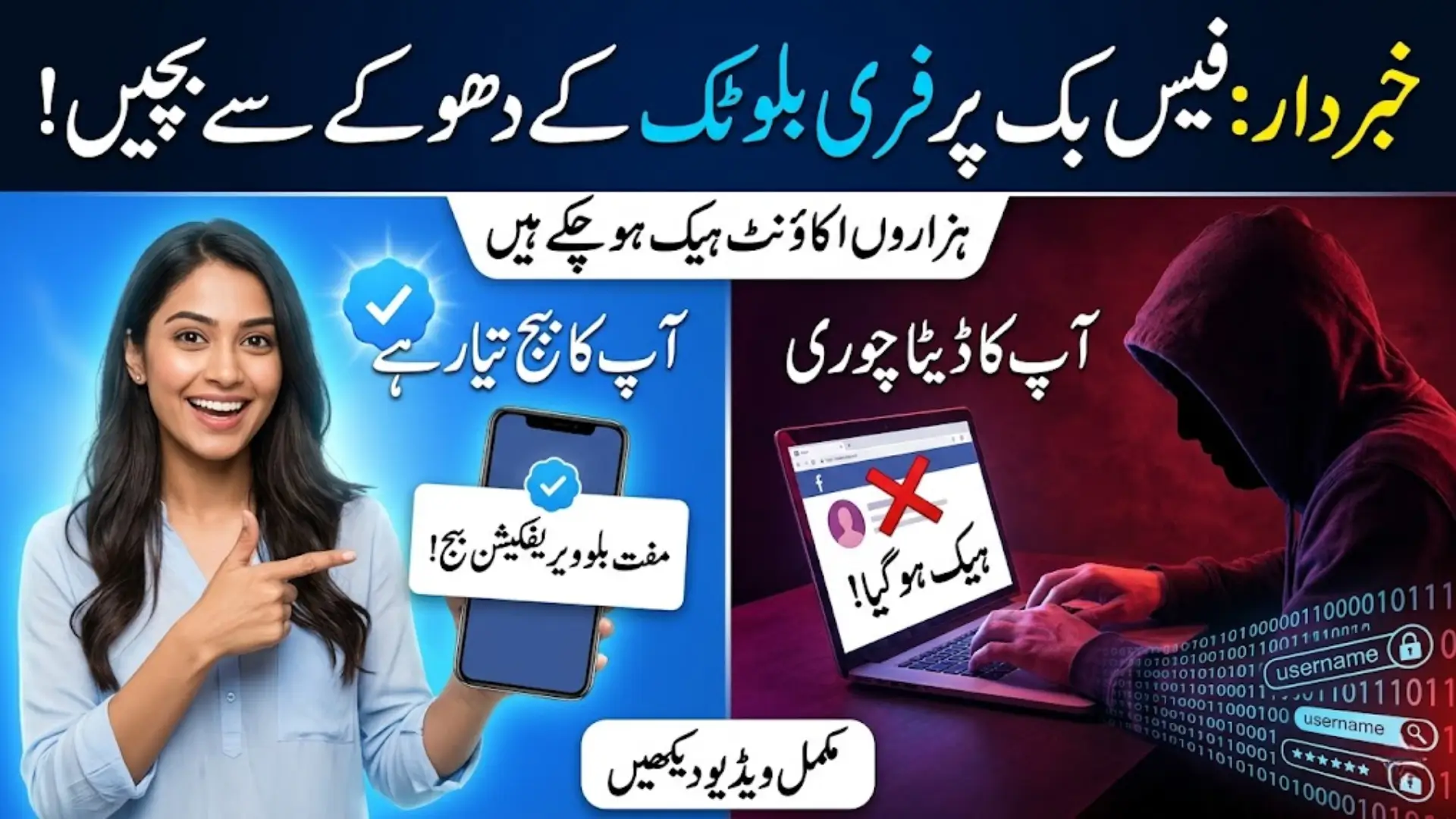
Facebook Phishing Scam Alert 2026: Free Verification Badge Trap Targeting Users
Facebook Phishing Scam
The rise of the Facebook phishing scam has created serious concerns for users across social media platforms. Cyber attackers are now using fake offers of free verification badges to trick users into giving away their account details. These scams are spreading quickly because many people want the blue tick badge, which is often seen as a sign of trust and authority.
This growing trend shows how attackers are adapting their methods to target users more effectively. By using convincing messages and realistic-looking emails, scammers are able to reach a wide audience. As a result, users must stay informed and cautious to avoid becoming victims of these attacks.
- Targets users seeking verification badges
- Uses fake but convincing messages
- Spreading rapidly across social platforms
You Can Also Read: WhatsApp Liquid Glass Design Update 2026: New Chat Interface, Floating Bar, and UI Changes Explained
What is Facebook Phishing Scam
A Facebook phishing scam is a type of cyber attack where scammers pretend to offer official services or alerts to steal user information. In this case, attackers are offering fake free verification badges to attract users and gain access to their accounts.
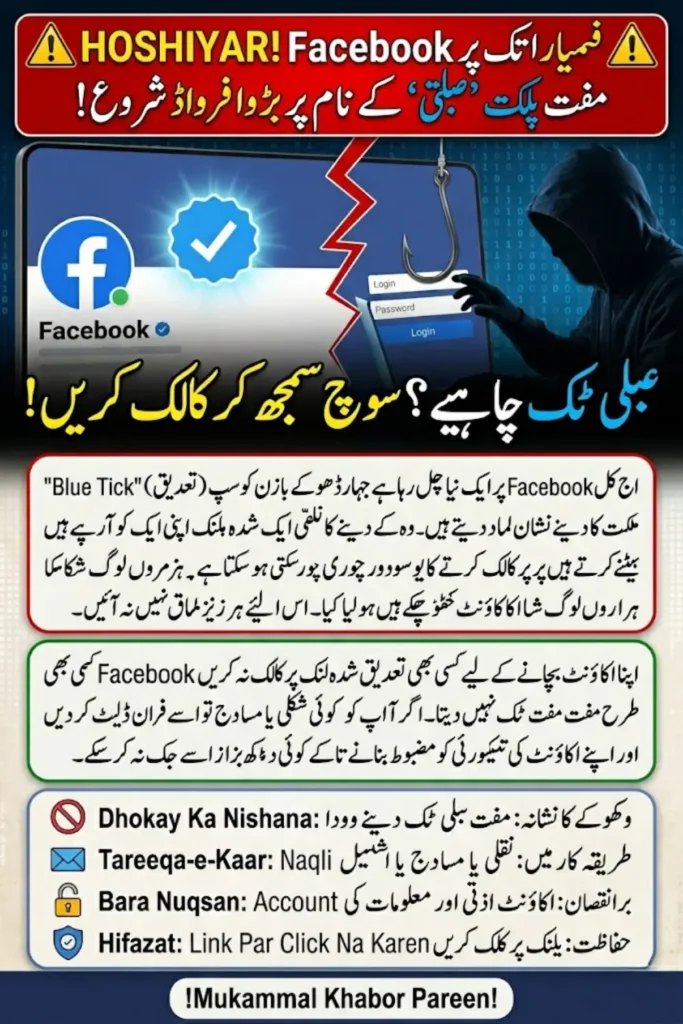
These scams often look real because they copy official communication styles. Once a user clicks on the provided link, they are taken to a fake page that collects sensitive data such as login credentials. This makes it easy for attackers to take control of accounts.
- Fake offers of free verification badges
- Designed to steal login details
- Uses realistic-looking messages
You Can Also Read: FIA Jobs 2026 Last Date: Complete Guide to Apply Online, Fee Details, and Application Issues
High-Value Accounts Targeted in Facebook Phishing Scam
The Facebook phishing scam mainly targets accounts that have financial or business value. These include accounts run by influencers, creators, and companies. Such accounts are attractive to hackers because they can be used for scams, promotions, or resale.
Security researchers estimate that thousands of accounts have already been affected by these attacks. Once hackers gain access, they often sell the accounts or use them for further fraudulent activities. This increases the overall impact of the scam.
- Targets influencers and business accounts
- Over 30,000 accounts affected
- Accounts used or sold after hacking
How Attackers Use Trusted Systems
One of the most dangerous aspects of the Facebook phishing scam is the use of trusted systems to send emails. Attackers are misusing tools like Google AppSheet to send messages that appear genuine.
Because these emails come from a trusted source, users are more likely to trust them. This method increases the success rate of phishing attacks, making it harder for users to identify fake messages.
- Emails sent through trusted platforms
- Harder to detect as fake
- Increases user trust and risk
You Can Also Read: Punjab Pet Dog Registration Policy 2026: Mandatory Rules, Vaccination & Safety Guidelines for Dog Owners
Phishing Techniques Used in Facebook Phishing Scam
Scammers use multiple techniques to trick users into clicking on malicious links. Some messages warn users that their account may be suspended due to policy violations, while others promise free verification without any cost.
Once users click on these links, they are taken to fake pages that look official. These pages may include CAPTCHA tests and login forms to make them appear real. Users who enter their details unknowingly give attackers full access to their accounts.
- Fake warnings about account suspension
- Free verification offers without subscription
- Fake login pages with CAPTCHA
Advanced Methods to Bypass Security
The Facebook phishing scam also involves advanced techniques to avoid detection by security systems. Attackers use invisible characters in email addresses and modify text in ways that appear normal to users but bypass filters.
These tactics make it difficult for traditional security tools to identify phishing attempts. As a result, even experienced users may find it challenging to recognize these scams without careful attention.
- Use of hidden characters in emails
- Text manipulation to bypass filters
- Designed to avoid detection systems
You Can Also Read: WhatsApp Liquid Glass Design Update: New Chat Interface, Floating Bar & Major UI Changes Coming Soon
Risks and Impact of Facebook Phishing Scam
The impact of the Facebook phishing scam can be severe for victims. Once attackers gain access to an account, they can misuse personal data, send spam messages, or even commit financial fraud.
For businesses and creators, losing access to their accounts can lead to reputational damage and financial loss. Recovering hacked accounts can also be time-consuming and difficult, making prevention very important.
- Loss of account control
- Financial and reputational damage
- Misuse of personal and business data
Table: Common Risks of Facebook Phishing Scam
| Risk Type | Description |
|---|---|
| Account Hijacking | Unauthorized access to user account |
| Data Theft | Personal and login information stolen |
| Financial Loss | Fraud or misuse of business accounts |
| Reputation Damage | Loss of trust among followers |
How to Stay Safe from Facebook Phishing Scam
To stay safe from the Facebook phishing scam, users need to be cautious while التعامل with messages and emails. Avoid clicking on suspicious links, especially those offering free services or urgent warnings.
It is always better to verify information through official platforms before taking any action. Using strong passwords and enabling security features can also help protect accounts from unauthorized access.
- Avoid clicking unknown links
- Verify messages through official sources
- Use strong passwords and security settings
You Can Also Read: Apna Ghar Scheme Online Registration Form 2026: Apply Process, Eligibility, Loan Details and Benefits
Why Awareness About Facebook Phishing Scam Matters
Awareness plays a key role in preventing phishing attacks. As scams become more advanced, users must stay informed about new techniques used by attackers. This helps in identifying threats before they cause damage.
Educating users about phishing risks can significantly reduce the number of successful attacks. Staying alert and informed is one of the most effective ways to protect personal and professional accounts.
- Awareness reduces risk of scams
- Helps identify suspicious activity
- Improves overall online safety
FAQs
What is Facebook phishing scam?
It is a cyber attack where scammers trick users into sharing login details. They often use fake offers like free verification badges.
How do scammers steal Facebook accounts?
They send fake links that lead to login pages. When users enter details, attackers gain access to their accounts.
Who is most at risk from these scams?
Creators, businesses, and high-value accounts are the main targets. These accounts are more valuable for hackers.
How can I protect my Facebook account?
Avoid suspicious links and verify messages through official channels. Use strong passwords and enable security features.
Are these phishing emails easy to detect?
No, many emails look real because they come from trusted systems. Users must carefully check before clicking any link.
You Can Also Read: Apna Khet Apna Rozgar Scheme 2026: Complete Guide to Apply Online for Free Land in Punjab