Pakistan Gas Tariff Increase 2026: OGRA Review, Price Hike Proposals and UFG Reduction Plan
Pakistan Gas Tariff Increase 2026
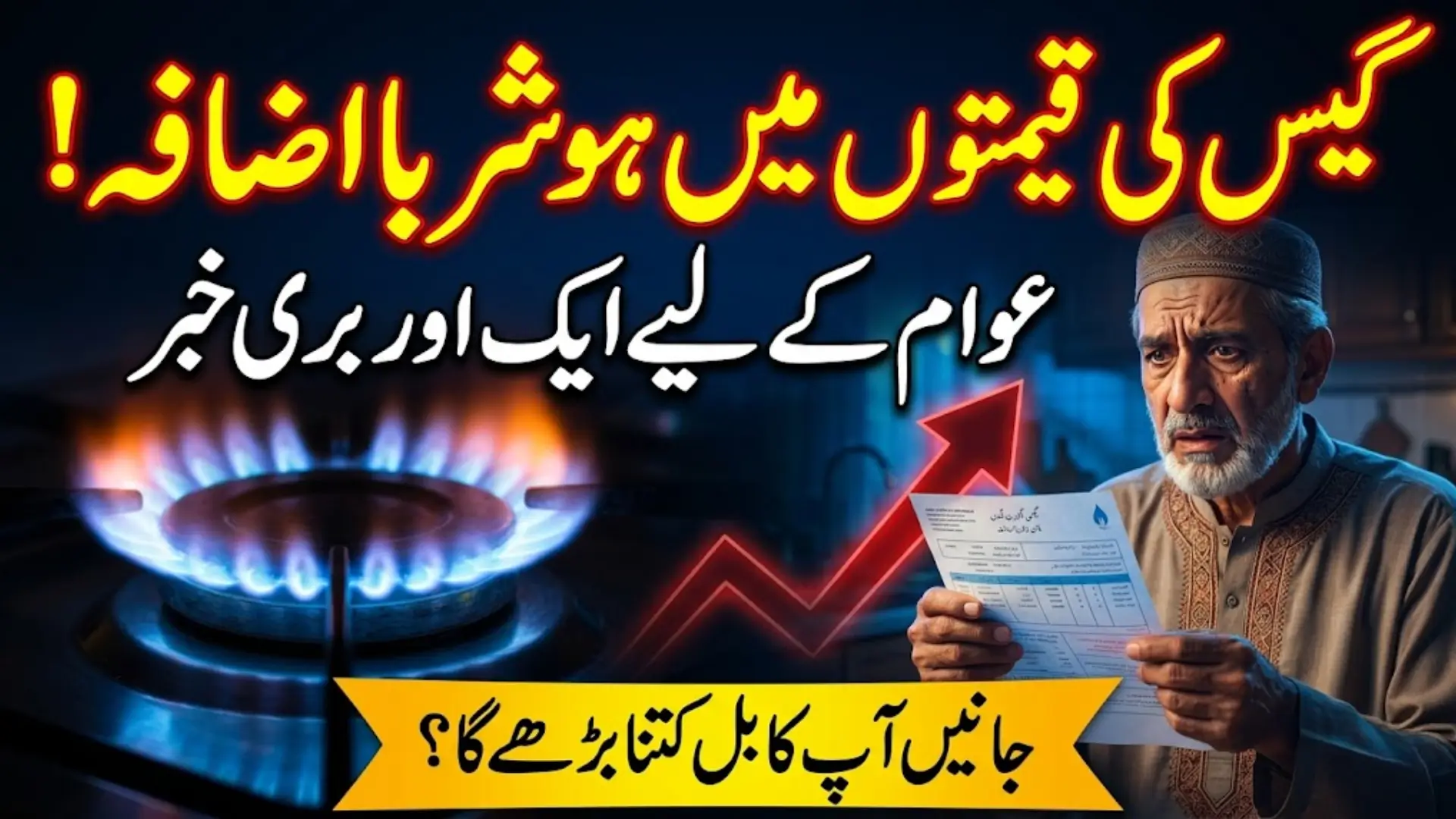
Pakistan Gas Tariff Increase 2026 is becoming a major economic topic as authorities review new pricing proposals for the upcoming fiscal year. The increase has been requested by two major state-run gas companies, aiming to adjust tariffs in line with rising operational costs and system losses. These changes are expected to affect both households and industries across the country.
The regulatory process is being handled by the Oil and Gas Regulatory Authority, which is responsible for evaluating tariff petitions and ensuring fair pricing. The outcome of this review will play an important role in balancing energy sector stability with consumer affordability.
- Tariff revision proposed for FY 2026-27
- Affects domestic and industrial consumers
- Decision under review by regulator
You Can Also Read: Facebook Phishing Scam Alert 2026: Free Verification Badge Trap Targeting Users
OGRA Hearings on Pakistan Gas Tariff Increase 2026
Public hearings are a key part of the Pakistan Gas Tariff Increase 2026 process. These hearings are scheduled in Lahore and Karachi on May 12 and 13, where stakeholders can review and discuss the proposed tariff changes. The hearings provide transparency and allow input from different sectors.
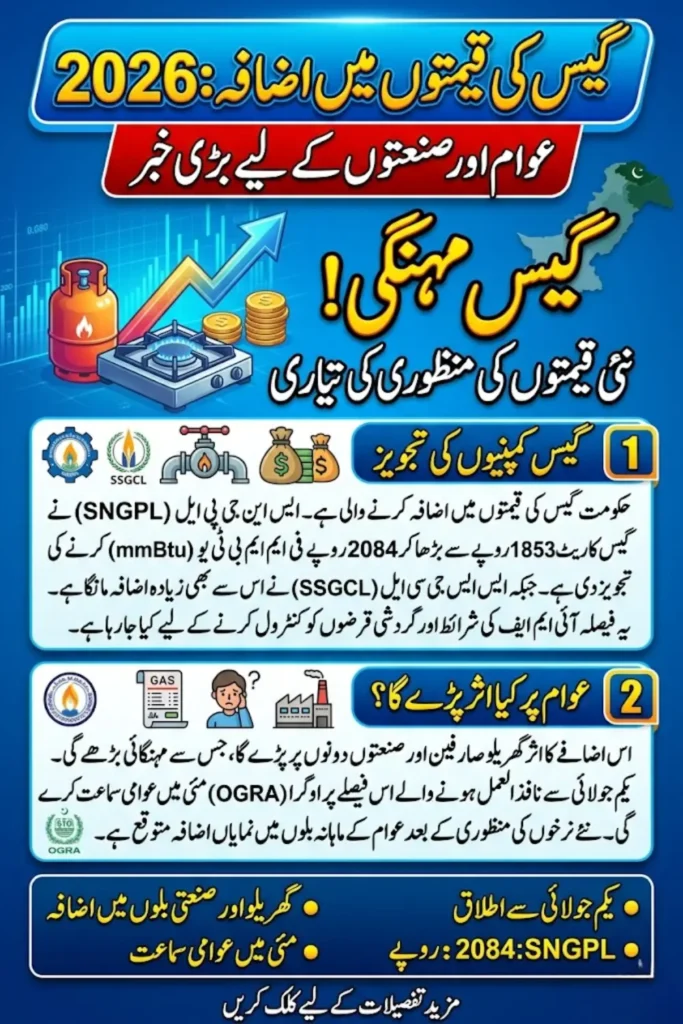
The petitions have been submitted by Sui Northern Gas Pipelines Limited and Sui Southern Gas Company, both of which are seeking increases in their prescribed tariffs. The regulator will consider these requests before making a final decision.
- Hearings on May 12 and 13
- Held in Lahore and Karachi
- Involves SNGPL and SSGCL
You Can Also Read: FIA Jobs 2026 Last Date: Complete Guide to Apply Online, Fee Details, and Application Issues
SNGPL Tariff Proposal for FY 2026-27
SNGPL has proposed an increase in its gas tariff as part of the Pakistan Gas Tariff Increase 2026 plan. The company is seeking to raise its prescribed tariff to Rs. 2,084 per mmBtu, compared to the current rate of Rs. 1,853. This increase includes the cost of LNG diversion.
The proposed adjustment reflects rising costs in the energy sector and operational challenges faced by the company. If approved, this increase could lead to higher gas bills for consumers in regions served by SNGPL.
- Proposed tariff: Rs. 2,084 per mmBtu
- Current tariff: Rs. 1,853 per mmBtu
- Includes LNG diversion cost
SSGCL Tariff Increase Request
SSGCL has also submitted a request under the Pakistan Gas Tariff Increase 2026, seeking a significantly higher tariff increase. While exact figures are not specified, the request is described as steeper compared to SNGPL’s proposal.
This higher demand highlights the financial challenges faced by SSGCL, particularly in managing system losses and operational expenses. The final decision will determine how much of this increase is passed on to consumers in the southern region.
- Request for higher tariff than SNGPL
- Reflects higher operational costs
- Subject to regulatory approval
You Can Also Read: Punjab Pet Dog Registration Policy 2026: Mandatory Rules, Vaccination & Safety Guidelines for Dog Owners
UFG Reduction Plan Under Pakistan Gas Tariff Increase 2026
Unaccounted-for-Gas (UFG) losses are a major issue in Pakistan’s gas sector. As part of the Pakistan Gas Tariff Increase 2026, an independent consultant has proposed a gradual reduction in UFG allowances over the next five years.
The plan suggests reducing the benchmark allowance from current levels to 5.5% by FY 2031. This gradual approach aims to improve efficiency while allowing companies time to adjust their operations.
- UFG target: 5.5% by FY 2031
- Gradual yearly reduction
- Focus on improving efficiency
Company-Specific UFG Allowances
Under the proposed plan, both SNGPL and SSGCL will receive additional allowances based on their operational challenges. SNGPL is expected to receive an extra 0.5 percentage points, while SSGCL may get an additional 1.7 percentage points.
This means SNGPL’s UFG allowance would start at around 7% in FY 2027 and reduce over time, while SSGCL’s would be higher initially due to greater losses. These adjustments aim to create a balanced approach to loss reduction.
- SNGPL: 7% in FY 2027 → ~6% by 2031
- SSGCL: 8.2% in FY 2027 → 7.3% by 2031
- Adjusted based on operational conditions
You Can Also Read: WhatsApp Liquid Glass Design Update: New Chat Interface, Floating Bar & Major UI Changes Coming Soon
Current Gas Loss Situation in Pakistan
The current system-loss allowance built into gas prices is about 7.6%. However, actual losses exceed this level, creating a gap that affects pricing and financial stability in the sector.
SNGPL’s actual losses are around 8.8%, while SSGCL faces much higher losses at 13.6%. This difference highlights the need for stricter controls and improved efficiency measures.
Table: Current vs Actual Gas Losses
| Company | Allowed UFG | Actual UFG |
|---|---|---|
| SNGPL | ~7.6% | 8.8% |
| SSGCL | ~7.6% | 13.6% |
- Actual losses exceed allowed limits
- Larger gap in SSGCL operations
- Key factor in tariff increase
RLNG Pricing Issue in Pakistan Gas Tariff Increase 2026
Another important aspect of the Pakistan Gas Tariff Increase 2026 is the pricing of re-gasified liquefied natural gas (RLNG). Currently, there is no separate benchmark for RLNG transmission and distribution losses.
Instead, the system uses the previous year’s indigenous gas UFG, which has increased RLNG prices significantly. This method has added around Rs. 1,500 per mmBtu to RLNG costs, making it nearly equal to domestic gas prices.
- No separate RLNG loss benchmark
- Uses indigenous gas UFG data
- Adds around Rs. 1,500 per mmBtu
You Can Also Read: Eid ul Adha 2026 Pakistan Date: Expected Schedule, Moon Sighting and Key Details
IMF Commitment and Policy Impact
Pakistan’s agreement with the International Monetary Fund plays a key role in the Pakistan Gas Tariff Increase 2026. The country has committed to issuing gas tariff notifications twice a year to control circular debt.
Circular debt in the energy sector has exceeded Rs. 3 trillion, making timely tariff adjustments essential. These measures aim to improve financial discipline and reduce long-term liabilities.
- Tariff updates twice a year
- Circular debt above Rs. 3 trillion
- Policy-driven pricing adjustments
Impact of Pakistan Gas Tariff Increase 2026 on Consumers
The Pakistan Gas Tariff Increase 2026 is expected to have a direct impact on consumers. Higher tariffs will likely increase household expenses and raise production costs for industries.
This could also contribute to inflation, as businesses may pass increased energy costs to consumers. Balancing affordability with sector sustainability remains a key challenge for policymakers.
Table: Expected Consumer Impact
| Sector | Impact |
|---|---|
| Households | Higher monthly gas bills |
| Industries | Increased production costs |
| Economy | Possible inflation pressure |
- Increased cost of living
- Higher expenses for businesses
- Economic ripple effects
Timeline for Final Decision and Implementation
The regulatory process for the Pakistan Gas Tariff Increase 2026 follows a strict timeline. The regulator is required to issue its determination at least 40 days before June 30.
Once approved, the government will notify the revised tariffs, which are expected to take effect from July 1. This timeline ensures that pricing adjustments are implemented in the new fiscal year.
- Decision before June 30
- Implementation from July 1
- Follows legal and policy deadlines
You Can Also Read: Apna Ghar Scheme Online Registration Form 2026: Apply Process, Eligibility, Loan Details and Benefits
FAQs
What is Pakistan Gas Tariff Increase 2026?
It is a proposed increase in gas prices for the upcoming fiscal year. It is being reviewed by the regulator based on company requests.
Why are gas tariffs increasing in Pakistan?
Tariffs are increasing due to rising costs and gas losses. The aim is to improve financial stability in the energy sector.
Which companies requested the tariff increase?
SNGPL and SSGCL have submitted requests. Both are state-run gas utilities in Pakistan.
What is UFG in gas tariffs?
UFG stands for Unaccounted-for-Gas losses. It refers to gas lost during transmission and distribution.
When will new gas tariffs be implemented?
The new tariffs are expected to be लागू from July 1. Final approval will be given after regulatory review.
You Can Also Read: Facebook Phishing Scam Alert 2026: Free Verification Badge Trap Targeting Users