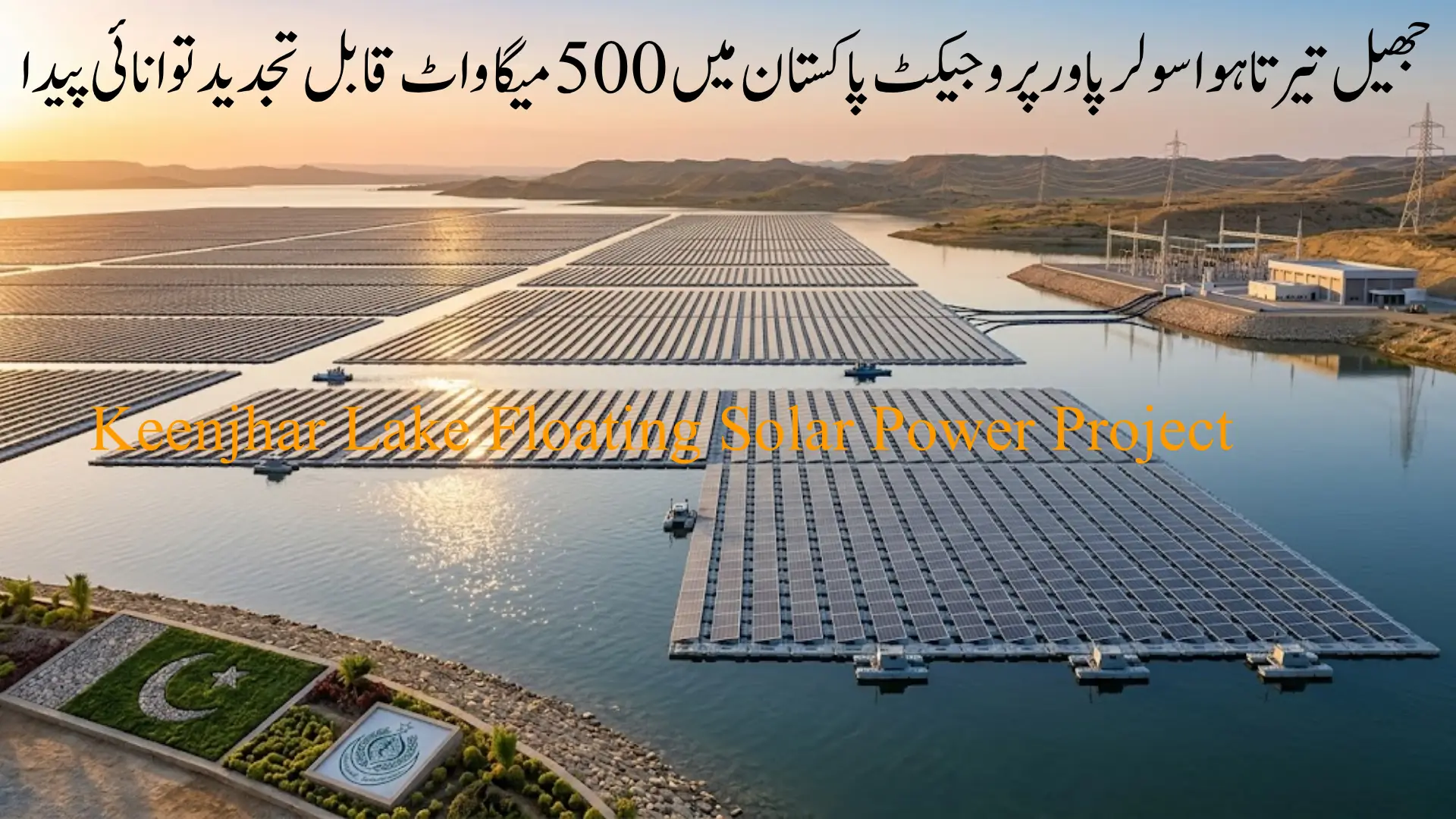
Solar Power Project to Generate 500MW
Pakistan is moving toward renewable energy development with the launch of the Keenjhar Lake Floating Solar Power Project in Sindh. The government plans to establish a 500-megawatt floating solar facility at Keenjhar Lake to reduce dependence on imported fossil fuels and strengthen the country’s energy sector. The project is part of Pakistan’s broader strategy to increase renewable energy production and improve energy security.
The floating solar initiative is expected to produce clean electricity while supporting Pakistan’s environmental goals for 2030. Officials believe the project will help lower fuel import costs, create employment opportunities, and provide stable electricity to industrial and urban areas through a long-term agreement with K-Electric.
You Can Also Read: Huawei Mate 90 Pro Max Leak Reveals 10x Zoom Camera, Flat Display & 1-Inch Sensor
Keenjhar Lake Floating Solar Power Project Overview
The Keenjhar Lake Floating Solar Power Project is estimated to cost around $243.63 million. According to project details, the facility will generate approximately 861.91 gigawatt-hours of electricity every year with a projected capacity factor of 19.6 percent. The generated electricity will be supplied directly to K-Electric under a long-term power purchase agreement.

Unlike traditional solar farms that require large land areas, this project will use the surface of Keenjhar Lake for installing solar panels. Authorities believe this approach can improve efficiency and reduce land acquisition challenges commonly associated with large-scale energy projects.
Key highlights of the project include:
- 500MW renewable energy capacity
- Annual generation of 861.91 GWh electricity
- Estimated cost of $243.63 million
- Long-term electricity supply agreement
- Floating solar panel installation system
| Project Detail | Information |
|---|---|
| Project Capacity | 500MW |
| Estimated Cost | $243.63 Million |
| Annual Generation | 861.91 GWh |
| Capacity Factor | 19.6% |
Importance of the Keenjhar Lake Floating Solar Power Project
Pakistan has faced growing challenges related to fuel imports, electricity shortages, and rising energy costs. The Keenjhar Lake Floating Solar Power Project is considered an important step toward reducing the country’s dependence on imported fossil fuels while increasing the share of renewable energy in the national grid.
The project also supports Pakistan’s commitment to lowering carbon emissions and meeting international climate goals by 2030. Renewable energy initiatives such as floating solar systems can help create a cleaner and more sustainable power sector for the future.
Major reasons why the project is important include:
- Reduction in fossil fuel dependence
- Improved energy security
- Support for climate targets
- Expansion of renewable energy
- Lower electricity generation costs
You Can Also Read: Pakistan Auto Sector Relief Package 2026: Duty Cuts, Hybrid Incentives and EV Support Explained
How Floating Solar Technology Works
Floating solar technology involves installing solar panels on floating platforms placed over water bodies such as lakes and reservoirs. In the Keenjhar Lake Floating Solar Power Project, solar panels will be mounted on the lake’s surface instead of using large land areas for installation.
One of the major advantages of floating solar systems is improved panel efficiency. The cooling effect of water helps maintain lower panel temperatures, allowing the solar modules to perform more effectively compared to conventional land-based systems.
Benefits of floating solar technology include:
- Better panel cooling performance
- Reduced land usage
- Efficient use of water surfaces
- Lower evaporation impact
- Improved renewable energy production
You Can Also Read: PAVE Program Phase 2 Approved: Electric Bikes and Rickshaws Distribution Across Pakistan
Project Development Through EPC Model
The Keenjhar Lake Floating Solar Power Project will be developed through the Engineering, Procurement, and Construction (EPC) model using a competitive bidding process. Authorities have already secured a letter of intent from K-Electric, while bidding for EPC contractors is currently underway.
The EPC model allows the government to manage the project through experienced contractors responsible for engineering design, procurement of equipment, and construction activities. This method is commonly used for large infrastructure and energy projects because it improves project management and operational efficiency.
The EPC development process includes:
- Competitive contractor bidding
- Engineering and design planning
- Procurement of solar equipment
- Construction and installation work
- Final testing and commissioning
Financial Structure of the Solar Project
The Keenjhar Lake Floating Solar Power Project has a carefully planned financial structure involving both debt financing and equity investment. According to project documents, around $182.72 million will come through debt financing, while approximately $60.91 million will be invested as equity.
Officials also estimate that the project will achieve an internal rate of return of 13.94 percent. The projected electricity tariff is expected to remain around 3.98 US cents per kilowatt-hour, making it financially competitive compared to traditional energy sources.
| Financial Component | Estimated Amount |
|---|---|
| Total Investment | $243.63 Million |
| Debt Financing | $182.72 Million |
| Equity Investment | $60.91 Million |
| Projected Tariff | 3.98 US Cents/kWh |
Electricity Supply and K-Electric Partnership
The electricity generated through the Keenjhar Lake Floating Solar Power Project will be supplied to K-Electric under a long-term power purchase agreement. This partnership is expected to strengthen electricity availability for urban and industrial consumers in high-demand areas.
The location of Keenjhar Lake near major industrial zones is considered an important advantage for efficient transmission and distribution of electricity. Reduced transmission challenges may help improve overall energy reliability for connected consumers.
Benefits of the K-Electric partnership include:
- Stable renewable energy supply
- Improved industrial electricity access
- Long-term power agreement
- Efficient electricity transmission
- Support for urban energy demand
You Can Also Read: Punjab e-Learn She Earn Program 2026 – Registration, Eligibility, Benefits & How to Apply Online
Environmental Benefits of the Project
Renewable energy projects play a key role in reducing environmental pollution and carbon emissions. The Keenjhar Lake Floating Solar Power Project will generate clean electricity without relying on imported oil or gas, helping Pakistan move toward a greener energy future.
By increasing renewable energy production, the project may also reduce pressure on conventional thermal power plants that contribute to air pollution and greenhouse gas emissions. Floating solar systems are increasingly viewed as sustainable alternatives for future electricity generation.
Environmental benefits include:
- Reduced carbon emissions
- Cleaner electricity production
- Lower air pollution levels
- Reduced fossil fuel consumption
- Support for climate goals
Employment Opportunities Through the Project
The project is expected to create employment opportunities during both construction and operational phases. Skilled workers, engineers, technicians, and maintenance staff may benefit from job openings linked to the installation and management of the solar facility.
Authorities believe renewable energy projects can contribute to economic development by creating technical employment and encouraging investment in modern energy infrastructure across Pakistan.
Potential employment areas include:
- Solar panel installation
- Engineering support services
- Technical maintenance
- Project management
- Operational monitoring
You Can Also Read: Samsung Galaxy A27 Confirmed Ahead of Launch – Expected Specs, Features & Latest Leaks
Future of Floating Solar Energy in Pakistan
The Keenjhar Lake Floating Solar Power Project may become an important example for future renewable energy projects in Pakistan. If successful, similar floating solar systems could be developed on reservoirs, dams, and lakes in other regions of the country.
Pakistan’s growing focus on renewable energy indicates that floating solar technology may play a larger role in future electricity generation plans. Such projects can help address energy shortages while reducing environmental impact.
Future possibilities include:
- Expansion of floating solar projects
- Increased renewable energy investment
- Improved energy infrastructure
- Greater use of clean technology
- Reduced national fuel imports
Final Thoughts
The Keenjhar Lake Floating Solar Power Project represents a major step toward cleaner and more sustainable energy production in Pakistan. With a planned capacity of 500MW, the project is expected to improve energy security, reduce dependence on imported fuels, and support Pakistan’s renewable energy goals.
The initiative also highlights the growing importance of modern energy technologies in addressing environmental and economic challenges. Through renewable energy investment and strategic partnerships, Pakistan continues working toward a more stable and sustainable power sector.
You Can Also Read: Oppo Reno X Leaks Reveal Foldable-Like Design, Dimensity 9-Series Chip & 7000mAh Battery
FAQs
Q1. What is the Keenjhar Lake Floating Solar Power Project?
It is a planned 500MW floating solar energy project in Sindh designed to generate renewable electricity using the surface of Keenjhar Lake.
Q2. How much electricity will the project generate annually?
The project is expected to generate approximately 861.91 gigawatt-hours of electricity every year.
Q3. Why is floating solar technology beneficial?
Floating solar systems improve panel efficiency through water cooling and avoid large land acquisition requirements.
Q4. Who will receive electricity from the project?
The electricity generated will be supplied to K-Electric under a long-term power purchase agreement.
Q5. How much will the project cost?
The estimated cost of the Keenjhar Lake Floating Solar Power Project is around $243.63 million.
Q6. Will the project create employment opportunities?
Yes, the project is expected to create jobs in construction, engineering, technical maintenance, and operational management.
You Can Also Read: Huawei Mate 90 Pro Max Leak Reveals 10x Zoom Camera, Flat Display & 1-Inch Sensor